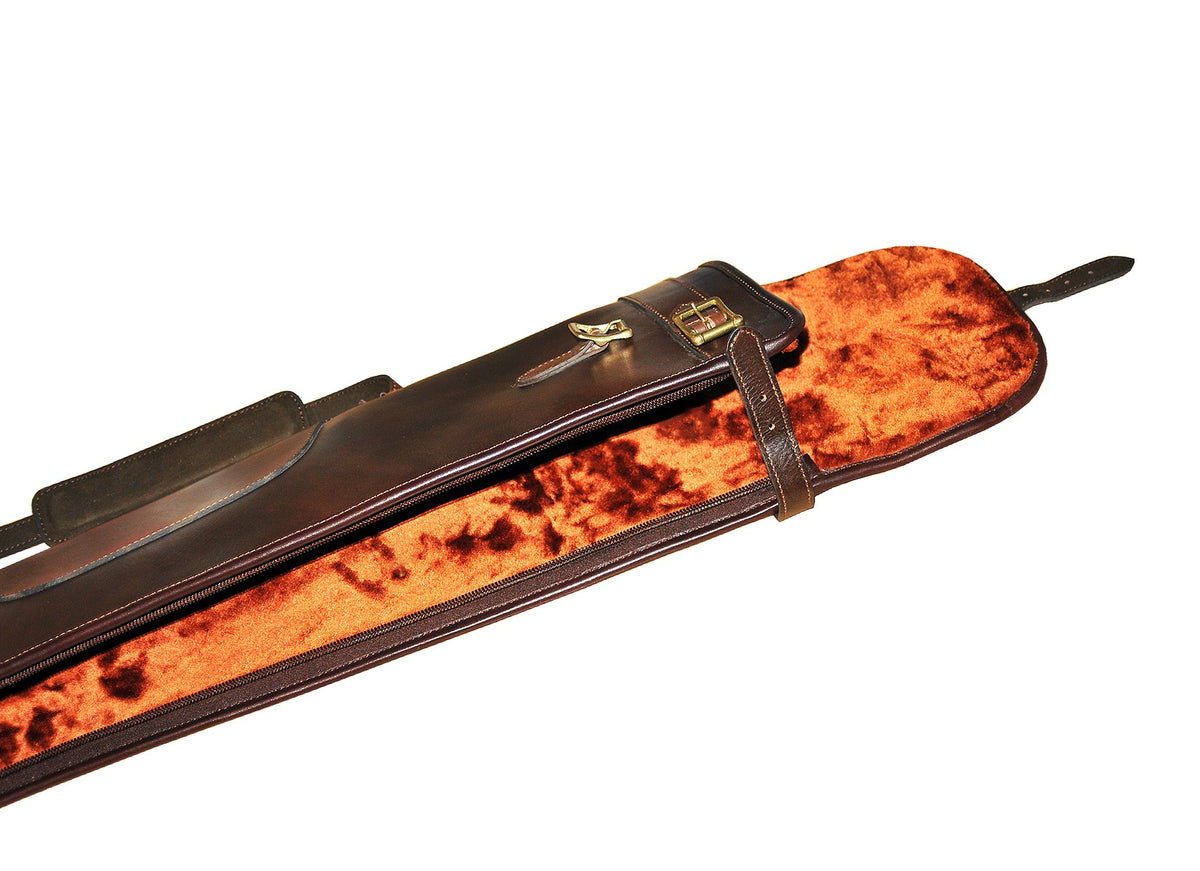

Choosing the right protective case for your shotgun is crucial. You need to think about durability, weather resistance, and how easy it is to carry. Many shooters find it hard to choose between a traditional leather cover and a lightweight fabric one.
The perfect choice depends on your needs, budget, and style. It's not just about the material. It's about how well it performs during a long day outdoors.

This guide compares these options in real-world conditions. We'll look at construction, fit, and long-term value. Whether you want rugged protection or classic looks, we've got you covered.
Key Takeaways
- Understand the core differences between hide and fabric materials.
- Evaluate how weather exposure impacts your equipment choice.
- Learn about the maintenance requirements for different textures.
- Compare carrying comfort during extended walks in the countryside.
- Discover how to balance your budget with long-term durability needs.
Start With the Field-Sports Requirements Your Gun Slip Must Meet
Every shooter has unique needs for their firearm's protection. Before buying a field sports gun case, think about your shooting habits. This ensures the case fits your lifestyle perfectly.

Identify the Firearm, Barrel Length, and Overall Slip Size
Choosing the right slip is crucial. Measure your firearm carefully, including barrel length and total size. This ensures a snug and secure fit.
A slip that's too short exposes the action. One that's too long can cause the firearm to move. Always check the internal dimensions against your specific shotgun or rifle model.
Consider Walks, Driven Shoots, Rough Ground, and Vehicle Transport
Your environment affects the case's durability. For walked-up shooting, choose a lightweight option that handles rough terrain well.
Driven shoots involve vehicle transport and storage in gun racks. In these cases, a case with superior impact resistance is key to protect your firearm from damage.
Set Priorities for Protection, Carry Comfort, Appearance, and Budget
Rank your needs before looking at gun accessories for field sports. Decide between the classic look of leather or the practicality of modern canvas.
Think about how much you carry the slip. If comfort is important, look for ergonomic straps and balanced weight to reduce fatigue.
Check Local Transport and Firearm-Safety Requirements Before Buying
Stay updated on local laws for firearm storage and transport. Many places in the United Kingdom have specific rules for securing firearms in vehicles.
Make sure your chosen case meets these standards. This avoids legal issues and keeps your gear safe at all times.
Leather vs Canvas Gun Slip: Which Is Best for Field Sports?
Choosing between leather and canvas is a big decision for serious shooters in the UK. Both materials protect your gun, but they offer different experiences. Knowing which one fits your style and environment is key.
Compare the Core Differences Between Leather and Canvas
Leather is loved for its timeless look and strong build. It keeps your gun safe for years. Canvas, on the other hand, is light and bends easily, making it easy to carry.
Leather feels luxurious but needs regular care to stay in good shape. Canvas, when treated with wax, keeps water out and is better in muddy conditions. Knowing these differences helps pick the right best gun slip material for you.

Understand Why Neither Material Is Automatically Best for Every Shooter
There's no one-size-fits-all answer to the leather vs canvas gun slip debate. Leather suits formal shoots, while canvas is better for long walks. Your needs and how often you go shooting decide the best choice.
The ideal choice also depends on how much you like to care for your gear. Leather needs regular conditioning, but canvas is easier to handle in wet weather. Choose based on what you prefer.
Use Protection, Weather Resistance, Weight, and Maintenance as Decision Criteria
Think about how each material holds up. Protection is crucial, but weight is important too, especially when walking long distances. The table below shows the main differences to help you decide.
| Feature | Leather | Canvas |
|---|---|---|
| Weight | Heavier | Lightweight |
| Weather Resistance | Moderate (needs treatment) | High (if waxed) |
| Maintenance | Regular conditioning | Occasional reproofing |
| Durability | Very High | High |
Separate Material Quality From Marketing Claims and Decorative Details
Don't let fancy names or designs fool you. Good leather feels soft but is thick, and top canvas has a tight weave. Check the hardware too, like buckles and straps, to ensure it's as good as the material.
Marketing might focus on looks, but a real gun slip comparison looks at how it's made. Look for strong seams and linings that protect your gun. This way, your investment will last long.
Assess Fit, Padding, and Firearm Protection Before Choosing a Material
Choosing the right protection for your firearm starts long before you look at leather or canvas. The debate on leather vs canvas gun sleeve often focuses on looks. But, the real protection comes from the case's internal design.
A well-fitted slip prevents movement, which is the main cause of scratches and dings. This is crucial during transit.
Measure the Gun and Match It to the Slip’s Internal Dimensions
Before buying, measure your firearm from butt plate to muzzle. A slip that's too short exposes the barrels. One that's too long lets the gun slide around.
Precision is key to keep your firearm still during bumpy rides or long walks.
Check the Lining for Soft Contact With Stock, Action, and Barrels
The lining is the last barrier between your firearm and the outside. Look for materials like sheepskin or soft fleece. They protect the wood and metalwork without trapping moisture.
A high-quality lining keeps your firearm's finish and bluing looking new for years.
"The best gun slip is one that fits your firearm like a glove, providing consistent support across the entire length of the barrels and the action."
Compare Padding, Reinforced Ends, Closures, and Barrel Protection
When comparing leather vs canvas gun sleeve, look at the design's structure. You want a case that protects your firearm's most vulnerable points.
- Reinforced Muzzle Ends: Essential for preventing barrel damage if the slip is stood upright.
- High-Density Padding: Absorbs shock during accidental drops or heavy handling.
- Secure Closures: Buckles or heavy-duty zips must be reliable to prevent the gun from slipping out.
Keep the Gun Unloaded and Confirm the Action Is Safe Before Fitting the Slip
Safety is always your top priority. Always ensure the firearm is completely unloaded and the action is confirmed safe before fitting the slip. Never force a firearm into a slip; if it does not slide in smoothly, the dimensions are likely incorrect for your specific model.
Compare Leather Construction, Strength, and Long-Term Performance
Choosing high-quality leather means your gear will grow with you. It's not just about looks; it's about how it lasts. By focusing on these details, you can find the best quality gun slip options for years to come.
Examine Full-Grain, Top-Grain, and Lower-Grade Leather Differences
The strength of your case depends on the leather. Full-grain leather is the top choice because it keeps the skin's natural strength. It also resists moisture well and gets a beautiful patina over time.
Top-grain leather is popular but has been smoothed out. It's still durable but not as strong as full-grain. Lower-grade leathers might look good at first but don't hold up well in the field.
| Leather Grade | Durability | Maintenance | Best Use |
|---|---|---|---|
| Full-Grain | Excellent | Moderate | Heavy Field Use |
| Top-Grain | Good | Low | Casual Shooting |
| Bonded | Low | High | Occasional Storage |
Evaluate Leather’s Resistance to Scuffs, Compression, and Frequent Handling
A good leather case protects your gun from the field. It naturally fights off scuffs and compression. This means your gun stays safe, even when you use it a lot.
Understand How Leather Develops Character While Requiring Regular Care
Leather cases get better with age. They soften and darken, showing your history in the field. But, they need regular care to stay beautiful.
Inspect Stitching, Edge Finishing, Hardware, and Reinforced Stress Points
When looking at quality gun slip options, check the details. Look for strong stitching and well-finished edges. This stops moisture from getting in.
Also, make sure the hardware is solid. Look for brass or high-grade steel. Reinforced areas are key for lasting performance. These details make a big difference.
Compare Canvas Construction, Weight, and Practical Field Performance
Understanding canvas construction is key in the leather vs canvas gun sleeve debate. Leather has a classic look, but canvas is more versatile and practical for today's field sports.
Distinguish Waxed Canvas, Plain Canvas, and Coated Fabric Options
Manufacturers mix materials to find the right balance. Waxed canvas is loved for its natural water resistance and timeless style. Plain canvas is lighter but needs extra care. Modern coated fabrics, on the other hand, offer better synthetic protection against the weather.
Evaluate Canvas for Lightweight Carrying and Flexible Storage
Canvas is known for being lightweight, perfect for long shooting days. Unlike stiff cases, these slips are flexible. You can fold or roll them for easy storage, which is great when space is tight.
Check Fabric Density, Seam Strength, and Resistance to Abrasion
The slip's durability depends on the fabric's quality. High-density fabrics offer strong protection against thorns and rough ground. Always check the seams for reinforced stitching. This prevents fraying and keeps the slip strong even with heavy use.
Look for Secure Zippers, Buckles, Handles, and Protective End Panels
Practical performance comes from the hardware on the fabric. Look for heavy-duty zippers and strong buckles that work well in cold. Sturdy handles and reinforced end panels protect the muzzle and stock. They also make the leather vs canvas gun sleeve easy to carry all day.
Weigh Carrying Comfort During Long Days in the Field
Long hours in the field mean your gun slip's weight and balance matter a lot. A good hunting gear comparison helps pick items that won't tire you out too soon.
Compare Empty Weight When Walking Between Drives or Hunting Areas
The weight of your slip affects your energy during long walks. Canvas slips are lighter, perfect for walked-up shooting where every gram matters.
Leather slips feel more substantial. They offer great protection but can feel heavy when walking over rough ground.
Assess Shoulder Straps, Handles, Padding, and Balance
A good slip spreads the weight evenly on your shoulder. Look for wide, adjustable straps with non-slip padding for stability on uneven terrain.
Handles should be strong and in the middle to keep the slip balanced. If it tilts, it will pull on your shoulder, causing strain.
Choose a Slip That Is Easy to Carry Without Striking the Firearm
Your case should move smoothly without pressing on your gun's delicate parts. A quality slip keeps your gun safe, preventing it from hitting your body or other gear.
Test the Carrying Position With Outdoor Clothing and Other Hunting Gear
Always test your gun accessories for field sports in your full shooting gear. Thick coats or heavy tweed can affect strap comfort.
Make sure your slip doesn't get in the way of your cartridge bag or other gear. A test walk in full kit shows if the strap and padding are right for a long day.
| Feature | Canvas Slip | Leather Slip |
|---|---|---|
| Empty Weight | Lightweight | Heavy |
| Balance | Flexible | Rigid/Structured |
| Strap Comfort | Adjustable/Soft | Premium/Padded |
| Field Suitability | Walked-up Shooting | Formal Driven Shoots |
Evaluate Weather Protection in Rain, Mud, Cold, and Damp Storage
When you're trekking through mud or caught in a sudden downpour, your gun slip choice is crucial. A weather-resistant gun slip is key to keeping your gear in great shape. It ensures your firearms stay safe from the elements.
Understand the Difference Between Water Resistance and Waterproof Protection
Most field gear is water-resistant, not fully waterproof. Water resistance means it can handle light rain for a bit before water gets through. Waterproof protection, on the other hand, keeps liquids out completely, which is rare in gun slips.
Compare Waxed Canvas and Treated Leather in Wet Conditions
Waxed canvas is a favorite because it sheds water and dries fast. It offers great damp protection for firearms in light rain. Treated leather also resists water but can get heavy and wet in heavy rain.
Leather needs regular care to stay protective after getting wet. If your weather-resistant gun slip is leather, treat it often with quality oils or waxes. This keeps it supple and water-repellent.
Check How Moisture Can Affect Metalwork, Wood, Linings, and Fasteners
Moisture is the biggest enemy for firearms in a slip. Water can cause rust on metal and damage wood. Damp linings can also grow mold, harming your gun's finish over time.
Dry the Gun and Slip Separately Before Long-Term Storage
Always take your firearm out of the slip after use. Clean the metal parts with oil and let both the gun and slip dry in a well-ventilated area. Never store a gun in a damp case, as it speeds up corrosion.
| Feature | Waxed Canvas | Treated Leather |
|---|---|---|
| Water Repellency | High (when waxed) | Moderate to High |
| Drying Time | Fast | Slow |
| Maintenance | Occasional Re-waxing | Regular Conditioning |
| Weight When Wet | Light | Heavy |
Compare Maintenance, Durability, and Total Ownership Costs
Buying a good gun slip means looking at more than just the cost. Keeping your gun slip in good shape means it will last longer and look better. This is key for many seasons outdoors.
Build a Simple Care Routine for Leather Gun Slips
Leather needs regular care to stay in great shape. Clean it with a soft, dry cloth after each use. This keeps it looking new.
Use a good leather conditioner every few months. This keeps the leather soft and extends the life of your durable gun case.
Clean, Dry, and Reproof Canvas Without Damaging Its Finish
Canvas needs a different care routine. Always let it dry naturally in a room with good air. Avoid heat sources like radiators to prevent damage.
After drying, brush off any dirt. If it loses its water-repellent properties, use a wax treatment. This keeps the fabric looking good without harming it.
Estimate Replacement Costs Against Expected Service Life
Think about how long your slip will last when figuring out costs. A leather slip might cost more upfront but can be fixed many times. This makes it a better deal over time.
Canvas slips are cheaper at first but might need to be replaced more often. This depends on how much you use it and in what conditions. Choose based on your shooting habits and budget.
Recognize Cracking, Stretched Seams, Failed Closures, and Damp Odors
Regular checks are key to spotting small problems early. Watch for these signs:
- Cracking: On leather parts, it means you need to condition it right away.
- Stretched Seams: This shows the slip is too full or the stitching is wearing out.
- Failed Closures: If buckles or zips don't work right, your gun isn't safe.
- Damp Odors: This means there's moisture trapped, which can rust your gun if not fixed.
Match the Gun Slip to Different Field-Sports Situations
Choosing the right gun slip is key for any serious sportsman. It keeps your firearm safe while you enjoy the sport. The best material balances looks with practical needs of the field.
Choose Leather for Traditional Style, Structure, and Formal Driven Shoots
Leather slips are top for formal shoots, valued for their look and protection. High-quality leather guards against knocks in transport. It adds a classic touch to the event.
Choose Canvas for Lightweight Walked-Up Shooting and Frequent Travel
For walked-up shooting, canvas is best due to its lightness. It's easy to carry for hours. Canvas is also great for tight spaces and vehicle storage.
Consider Hybrid Slips When Leather Trim and Canvas Body Features Work Together
Hybrid slips mix leather's durability with canvas's lightness. They have leather at key points for extra security. This makes them perfect for versatile shooters.
Select Separate Protection for Shotguns, Rifles, and Scoped Firearms
Each firearm needs its own protection. Shotguns fit standard slips, but rifles need wider cases to protect scopes. Make sure your slip fits without harming your firearm.
Adapt the Choice to Muddy Ground, Dense Cover, Estates, and Range Transport
Your environment affects your slip's maintenance needs. For muddy or dense areas, consider:
- Water Resistance: Wax canvas to keep it dry.
- Ease of Cleaning: Use special conditioners on leather to avoid cracking.
- Durability: Reinforced ends are good for rough surfaces.
The best gun slip material matches your shooting style. Whether you prefer leather's elegance or canvas's practicality, the right choice protects your firearm for years.
Follow a Step-by-Step Gun Slip Comparison Before Buying
Before buying new gear, follow this guide to make sure it meets your needs. A detailed gun slip comparison helps you find a product that protects your firearm well.
List the Firearm’s Measurements and the Conditions It Will Face
First, write down your shotgun's barrel length and size. Think about where you'll shoot, like wetlands or formal estates. This helps decide if you need a tough, weatherproof case or something light.
Shortlist Leather, Canvas, and Hybrid Quality Gun Slip Options
Don't choose just one material right away. Make a list of quality gun slip options. Include leather, waxed canvas, and hybrid designs. Each has its own benefits for gun accessories for field sports.
Compare Fit, Padding, Weather Protection, Weight, Hardware, and Warranty
Look at how each case handles a long day of shooting. Check the padding thickness and hardware quality. A good warranty shows the maker's confidence in their work.
Inspect Construction and Test the Empty Slip for Balance and Ease of Carry
Hold the empty slip to see how it feels on your shoulder. A balanced case should stay steady while walking. Check the stitching and seams for durability.
Calculate the Care Time and Long-Term Cost of Each Candidate
Think about how much care each case needs. Leather needs conditioning, while canvas might need reproofing. Add these costs to the total price of the case over time.
Reject Any Slip That Allows Excess Movement or Has Weak Closures
If your gun moves in the case, it's not safe. Always reject cases with weak zips or buckles.
Confirm the Firearm Remains Unloaded and Secure During Every Transport Check
Transporting your gear safely is key. Before putting your shotgun in a case, always confirm it's unloaded. A well-fitting slip is crucial for safe transport.
Avoid Common Mistakes When Buying a Field Sports Gun Case
Choosing the right gear for your shooting days is more than just picking something that looks good. It's about function, not just looks, for your firearm's safety. When checking out a field sports gun case, look beyond the surface. Make sure your gear stays safe.
Do Not Choose Appearance Over Fit and Internal Protection
It's easy to get caught up in fancy designs. But a case that's too loose or too tight can damage your gun. Always choose a snug fit to keep your firearm safe during transport.
Do Not Assume Heavy Leather Offers Better Protection in Every Situation
Thick leather is tough, but it's not always the best for protection. Modern synthetic materials might be better for rough terrain. Check the padding and structure, not just the leather's thickness.
Do Not Treat Water-Resistant Fabric as a Substitute for Dry Storage
Even the best water-resistant materials have limits. Moisture can cause rust and damage if not dried properly. Always take your gun out of the slip after a wet day to dry it and the lining.
Do Not Ignore Strap Comfort, Hardware Quality, or Cleaning Requirements
A heavy slip is hard to carry if the strap isn't comfortable. Check the buckles, zips, and stitching for quality. Also, think about how much time you'll spend on upkeep, as some quality gun slip options need more care.
Review Return Policies and Manufacturer Care Instructions Before Purchase
Before you buy, read the fine print. Knowing how to care for your item helps it last longer. Also, make sure the seller has a clear return policy if the fit isn't right.
Conclusion
Choosing between leather and canvas for a gun slip depends on your shooting habits. You need to weigh the weight of your gear against the protection your firearm needs. This is especially true for a long day in the field.
The right material for your gun slip keeps your shotgun safe and dry. Whether you like the classic look of Brady or the light feel of waxed fabrics, focus on a good fit. This is key.
A quality case protects your gun from bumps and moisture, making it easier to carry. Make sure your chosen slip feels right on your shoulder before you go out.
Pay attention to the details that matter for your local area and weather. A well-made, fitting slip gives you peace of mind. Invest in gear that supports your love for the sport and keeps your equipment in great shape for years.